5 Signs You Need Compression Clothing in Your Gym Routine
19.12.2025
Science
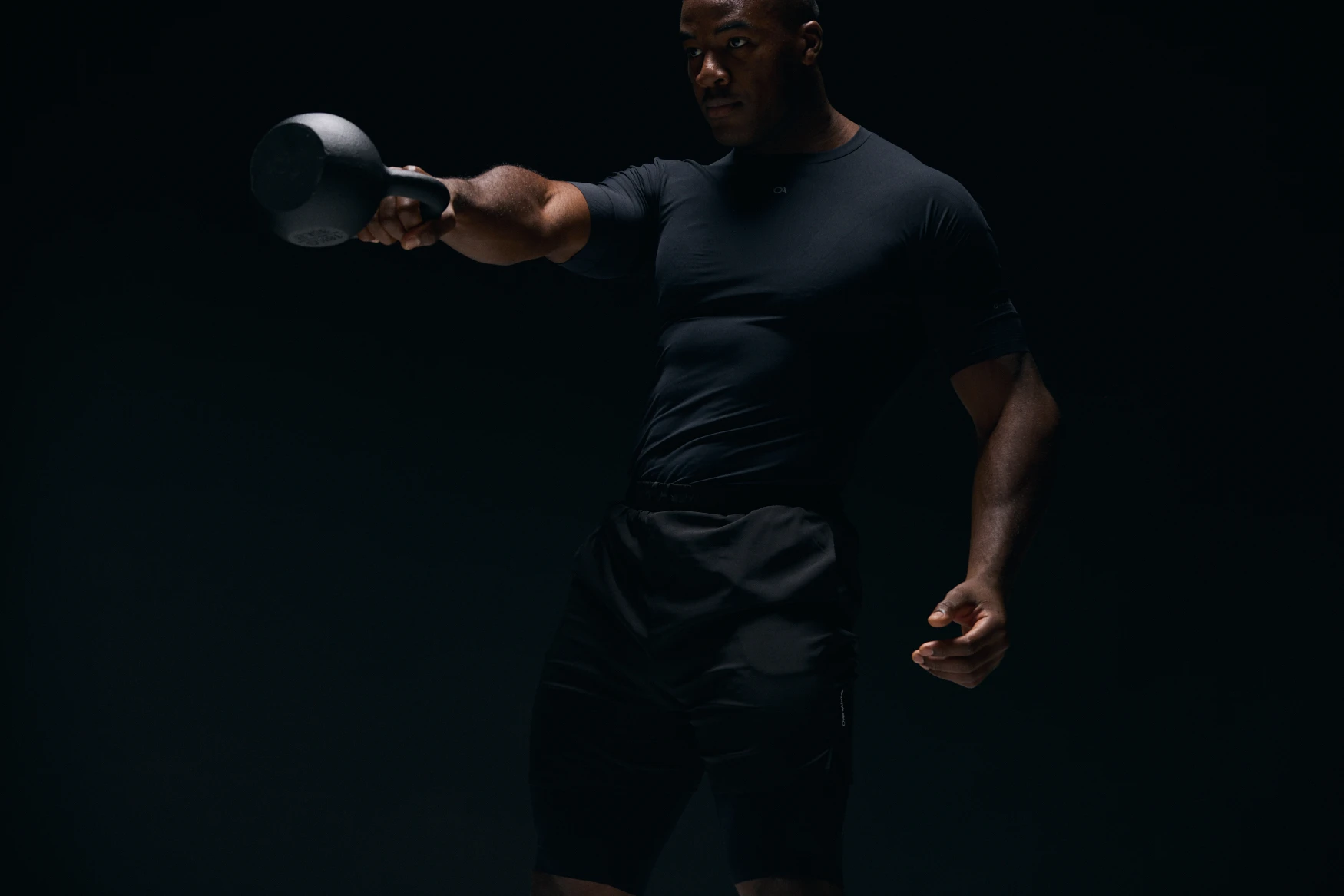
5 Signs You Need Compression Clothing in Your Gym Routine
You train consistently. You push your limits. You want results, not setbacks.
Yet soreness lingers longer than it should. Your legs feel unstable under load. Fatigue hits earlier every session. And your gym gear? It looks fine, but it doesn’t do much.
Compression clothing isn’t a trend or a fashion upgrade. For many athletes, it’s a functional tool that solves real performance and recovery problems. If you’ve ever wondered whether compression wear belongs in your gym routine, the answer often shows up in subtle signals your body gives you every day.
Here are five clear signs compression clothing could be the missing link in your training system—and why more serious athletes are making the switch.
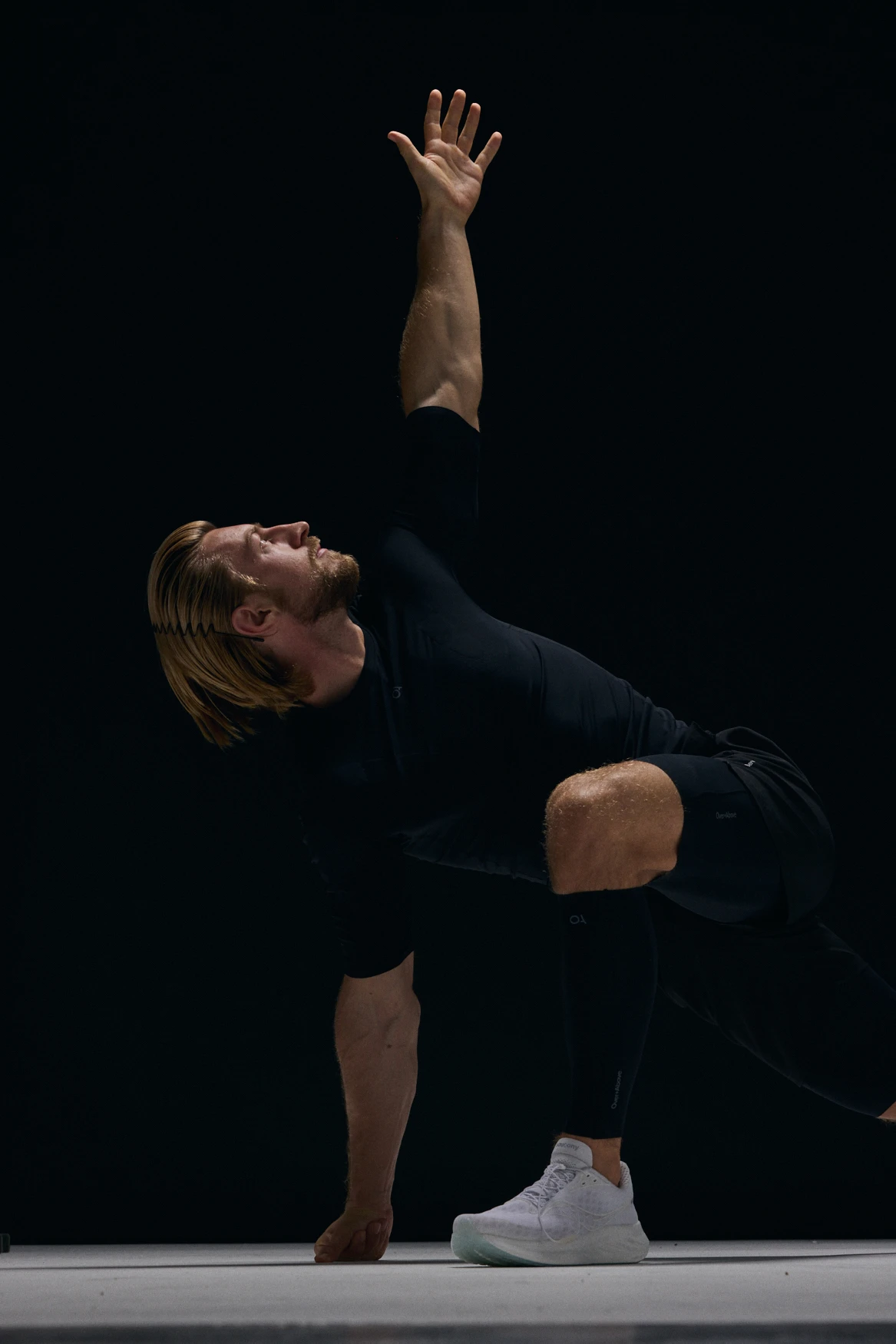
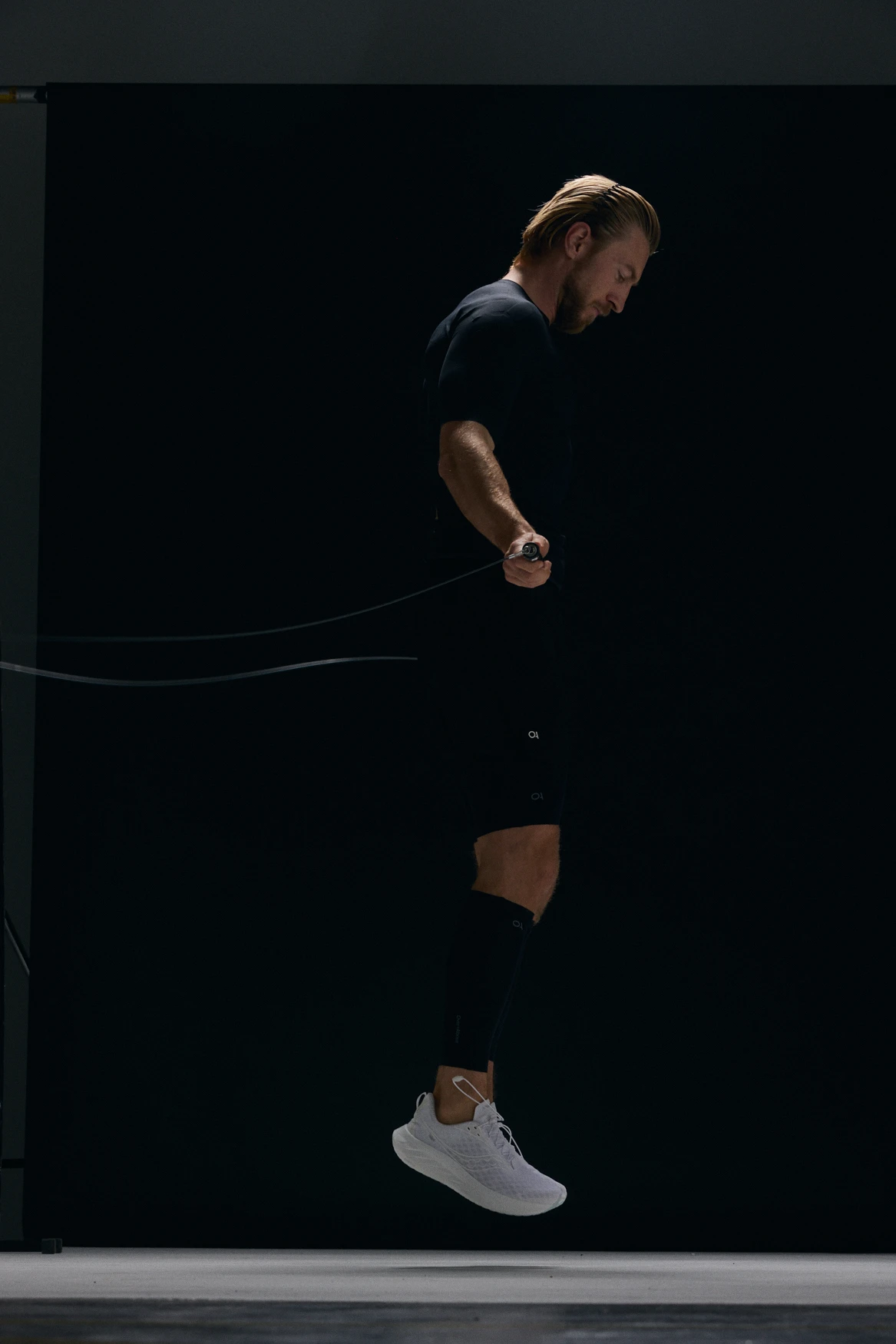
1. You’re Constantly Sore — Even After “Easy” Workouts
Delayed onset muscle soreness (DOMS) is normal. What’s not normal is feeling beat up for days after sessions that shouldn’t wreck you.
If soreness consistently interferes with your next workout, your recovery pipeline is underperforming.
Why This Happens
During resistance training, muscles experience micro-tears. Recovery depends on efficient blood flow delivering oxygen and nutrients while clearing metabolic waste. When circulation is sluggish, soreness lingers.
How Compression Clothing Helps
Compression garments apply graduated pressure to muscles, supporting venous return and improving circulation during and after training. This can help:
Reduce post-workout muscle swelling
Minimize soreness intensity
Speed up recovery between sessions
Compression wear doesn’t eliminate soreness—but it helps shorten the recovery window so you can train again sooner, with higher quality.
If your recovery feels slower than your ambition, that’s your first sign.
2. Fatigue Hits Earlier Than It Should
You warm up properly. Your nutrition is dialed in. Sleep is solid. Still, your legs feel heavy halfway through workouts.
That early fatigue isn’t always about conditioning—it’s often about muscle efficiency.
The Role of Muscle Oscillation
When muscles contract repeatedly, they vibrate and oscillate. Over time, this wasted movement contributes to fatigue and energy loss, especially during:
Squats and lunges
Deadlifts
Plyometrics
High-volume leg sessions
Compression’s Advantage
Compression clothing stabilizes muscle tissue, reducing unnecessary movement. This improves:
Force transmission
Neuromuscular efficiency
Perceived exertion
Athletes often report feeling “held together” during training—less drag, more control.
If fatigue feels disproportionate to workload, compression wear may help you conserve energy where it counts.
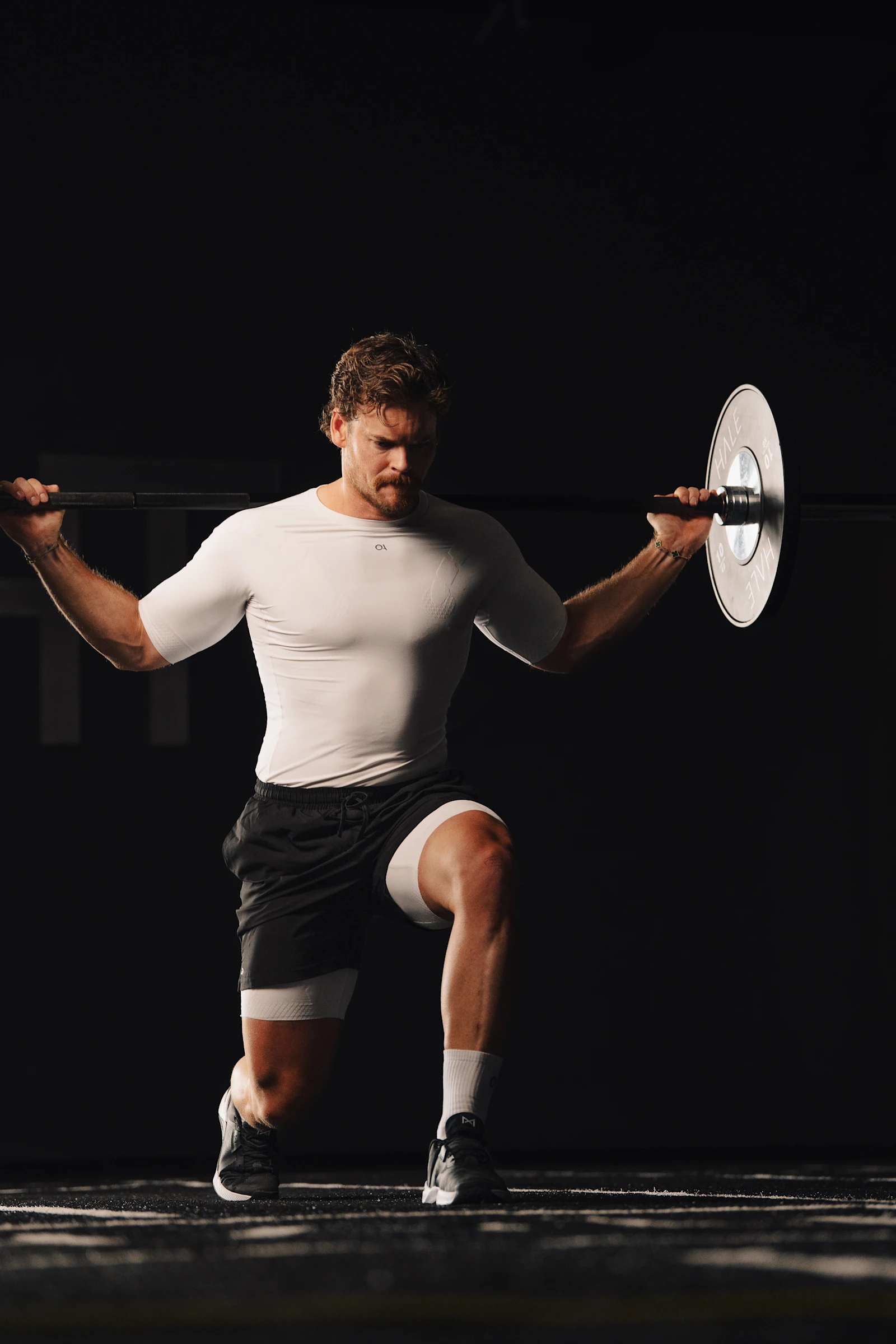
3. You Feel Unstable Under Load
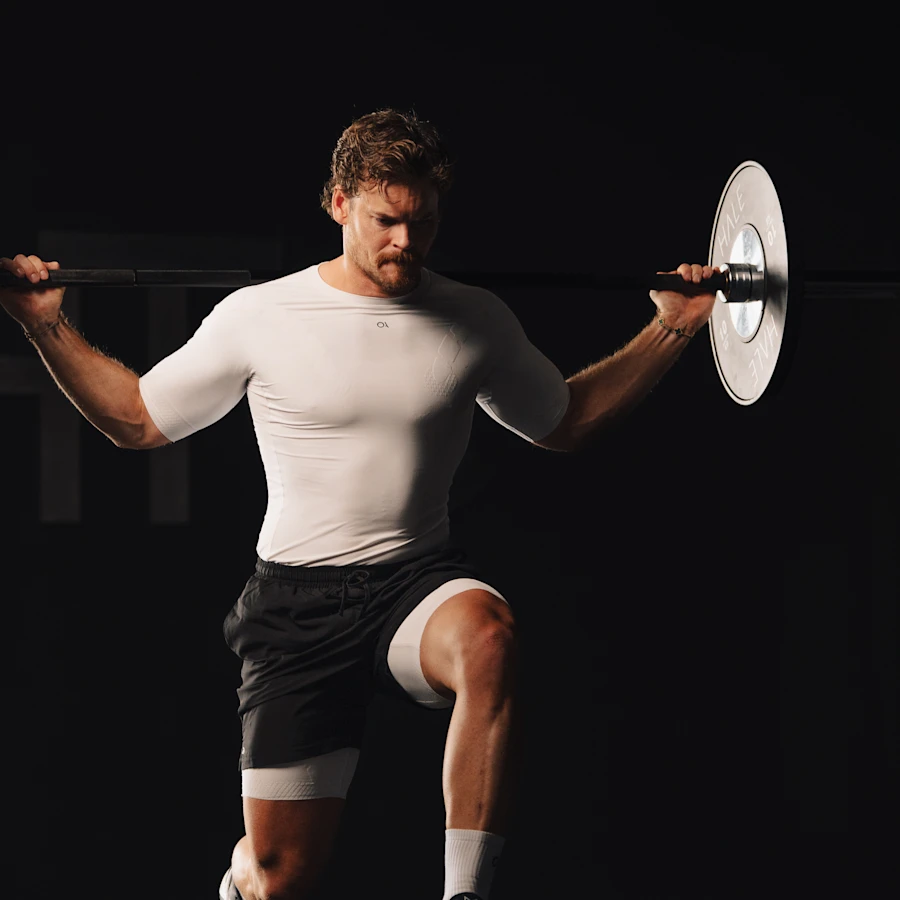
If you’ve ever unracked a barbell and felt slightly unsure—knees drifting, hips shifting, or muscles not firing cleanly—you’re not alone.
Stability isn’t just about strength. It’s about proprioception—your body’s awareness of position and movement.
Why Stability Matters
Even small instability can:
Compromise lifting mechanics
Increase injury risk
Reduce confidence under heavy loads
This is especially noticeable during compound movements and unilateral exercises.
How Compression Improves Control
Compression garments provide constant tactile feedback to the nervous system. That feedback enhances body awareness, helping you:
Maintain joint alignment
Engage target muscles more effectively
Move with confidence under resistance
While compression clothing doesn’t replace proper technique or coaching, it reinforces stability when it matters most.
If your lifts feel shaky—even when strength is there—it’s a sign your system needs more support.
4. Your Gym Wear Looks Good — But Does Nothing for Performance
A lot of gym clothing is designed to look athletic without actually enhancing athleticism.
Loose fabrics, thin leggings, and purely aesthetic fits may photograph well, but they don’t actively contribute to your training.
The Difference Between Activewear and Compression Wear
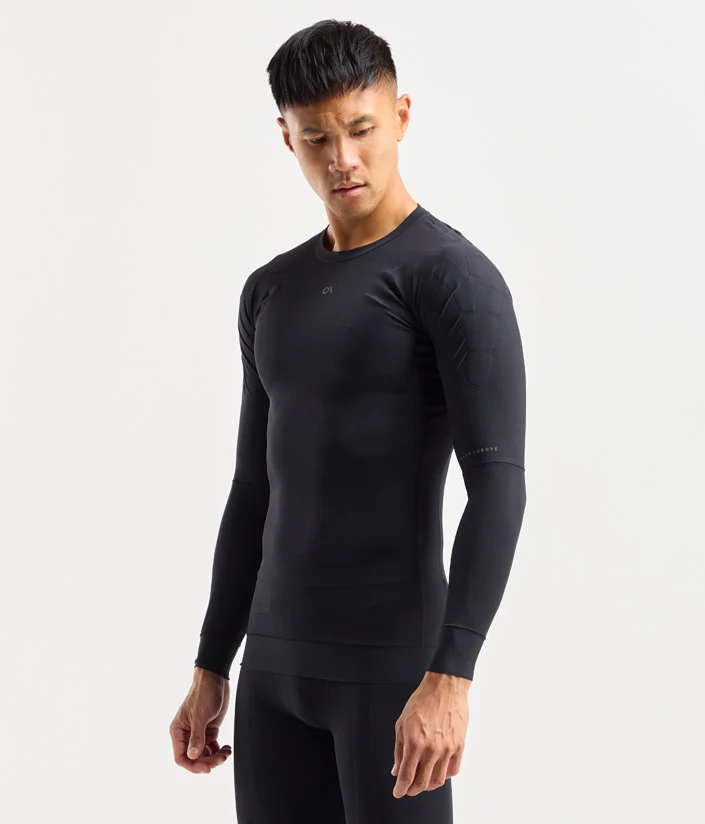
Regular activewear focuses on comfort and appearance. Compression wear is engineered for:
Muscle support
Controlled stretch
Durability under stress
Performance consistency
True compression garments maintain pressure even during intense movement, rather than stretching out mid-session.
Why That Matters
When clothing functions as equipment—not decoration—it becomes part of your training toolkit.
If your gym outfit feels irrelevant to your performance, compression clothing offers a meaningful upgrade without changing your routine.
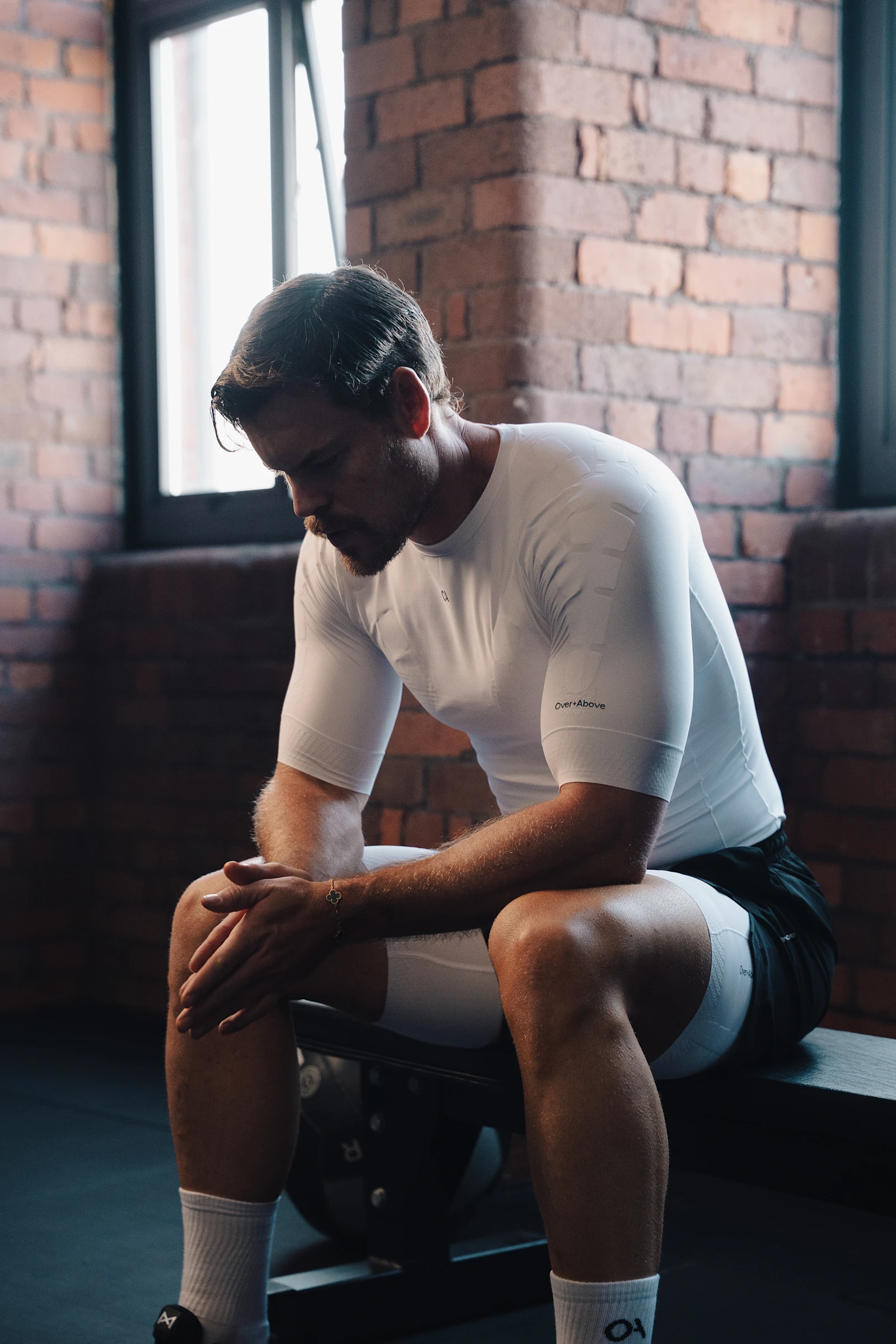
5. You Want a Sleeker, More Athletic Look Without Sacrificing Function
Performance and aesthetics don’t have to compete.
Compression wear delivers a streamlined silhouette that reflects muscular definition while maintaining purpose-driven design.
Why Athletes Prefer the Compression Fit
Eliminates excess fabric distractions
Moves cleanly with the body
Looks intentional, not sloppy
Transitions easily from training to recovery
The confidence boost from wearing gear that feels professional shouldn’t be underestimated. When you look prepared, you train with intent.
If you want gym wear that matches your discipline and effort, compression clothing aligns form with function.

Who Benefits Most from Compression Clothing?
Compression wear isn’t exclusive to elite competitors. It’s especially useful for:
Lifters training 4+ times per week
Athletes managing joint or muscle stress
Gym-goers prioritizing recovery
Anyone aiming to train consistently without setbacks
Whether you’re building strength, improving physique, or increasing training volume, compression clothing supports longevity.
Making Compression Part of Your Routine
The most effective way to use compression wear is strategically:
During lower-body or high-volume sessions
Post-workout for recovery support
On heavy training days when stability matters
Quality matters. Look for garments with true graduated compression, breathable fabrics, and designs built for movement—not just marketing.
Final Thoughts: Listen to the Signals
Your body communicates constantly. Lingering soreness, early fatigue, instability, and underwhelming gear aren’t random—they’re feedback.
Compression clothing doesn’t replace smart training, recovery, or nutrition. But when used correctly, it reinforces all three.
If you recognized yourself in more than one of these signs, compression wear isn’t optional—it’s practical.
Train smarter. Recover faster. Move with purpose.
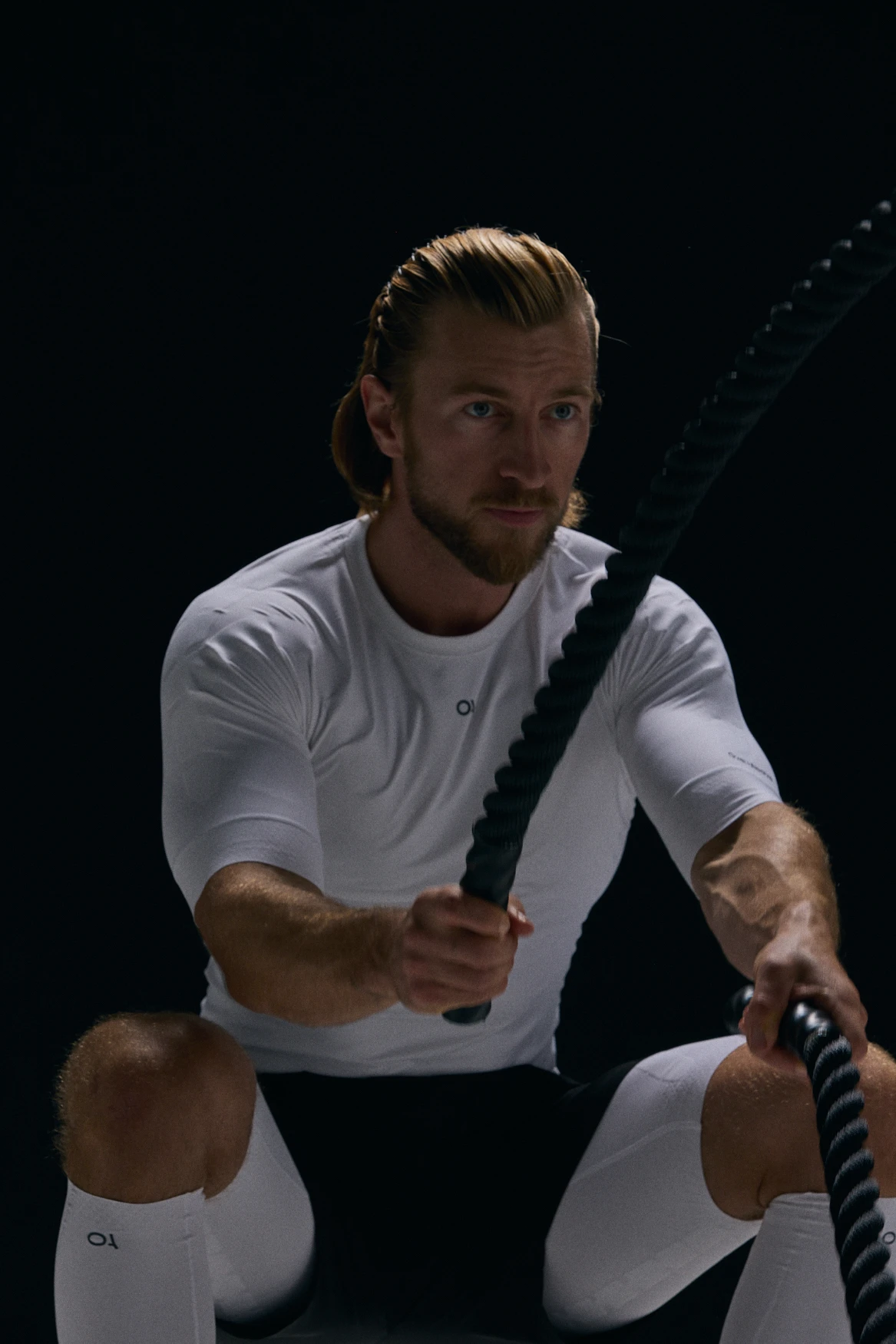
Shop Compression Gear
More articles...
 Compression vs. Regular Activewear: What’s Better for Recovery?Science
Compression vs. Regular Activewear: What’s Better for Recovery?
12.12.2025
 The Complete Guide to Compression Sportswear for Everyday TrainingScience
The Complete Guide to Compression Sportswear for Everyday Training
05.12.2025
 The Best Compression Gear for Preventing Injuries at the GymScience
The Best Compression Gear for Preventing Injuries at the Gym
28.11.2025
