The Best Compression Gear for Preventing Injuries at the Gym
28.11.2025
Science
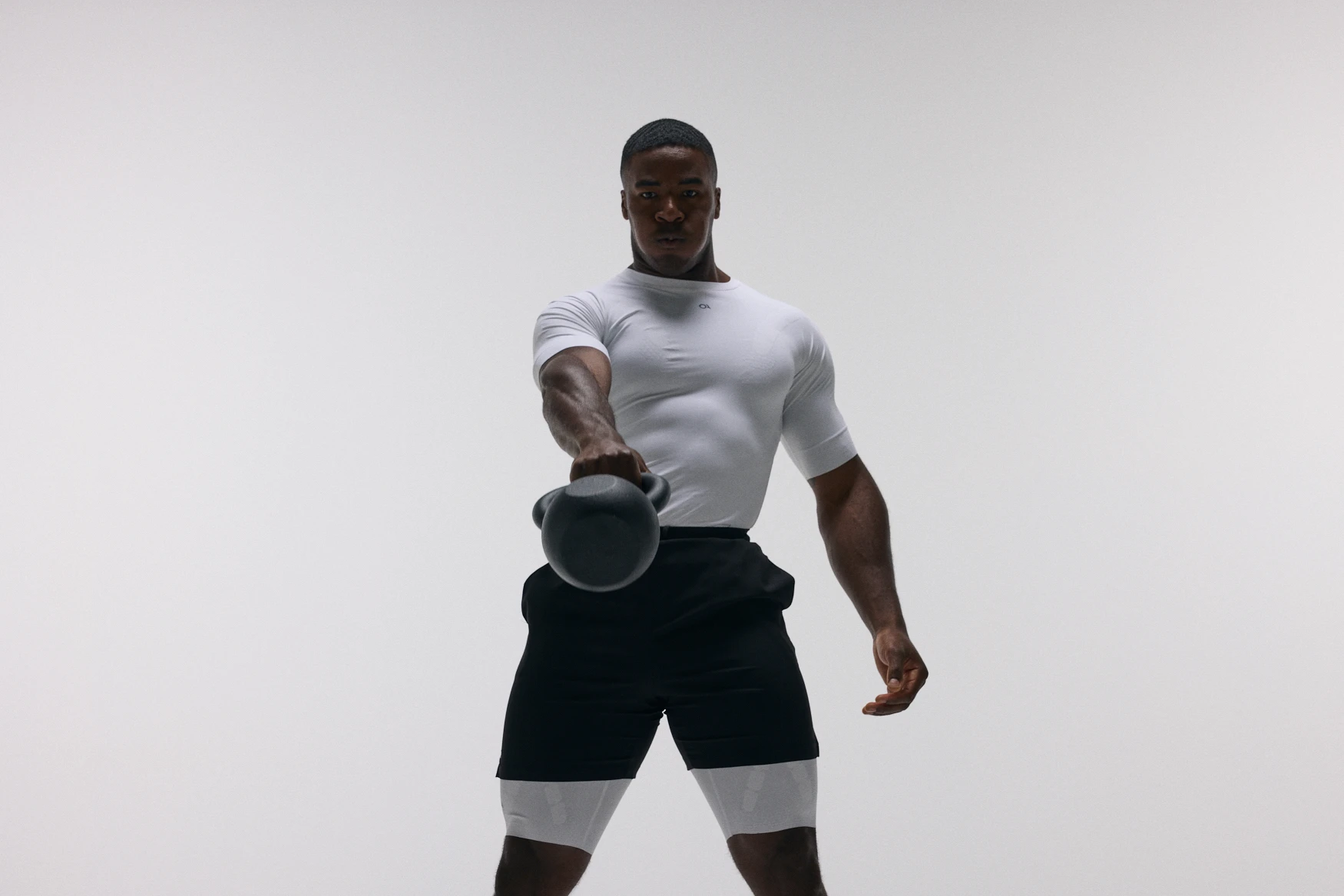
A science-informed guide to reducing pulls, strains, and shin splints with compression wear
Staying injury-free at the gym isn’t just luck, it’s the product of smart training, good recovery habits, and the gear you choose to support your body. One category that has steadily grown in popularity among lifters, runners, and HIIT athletes is compression wear. While originally developed for clinical recovery, compression clothing has become a mainstay in performance environments because it supports circulation, reduces muscle vibration, stabilizes joints, and improves overall comfort during movement.
In this in-depth guide, we break down how different compression pieces: tights, tops, calf sleeves, and arm/racquet sleeves, support injury prevention, what the science says, and how to choose the right items based on your training style.
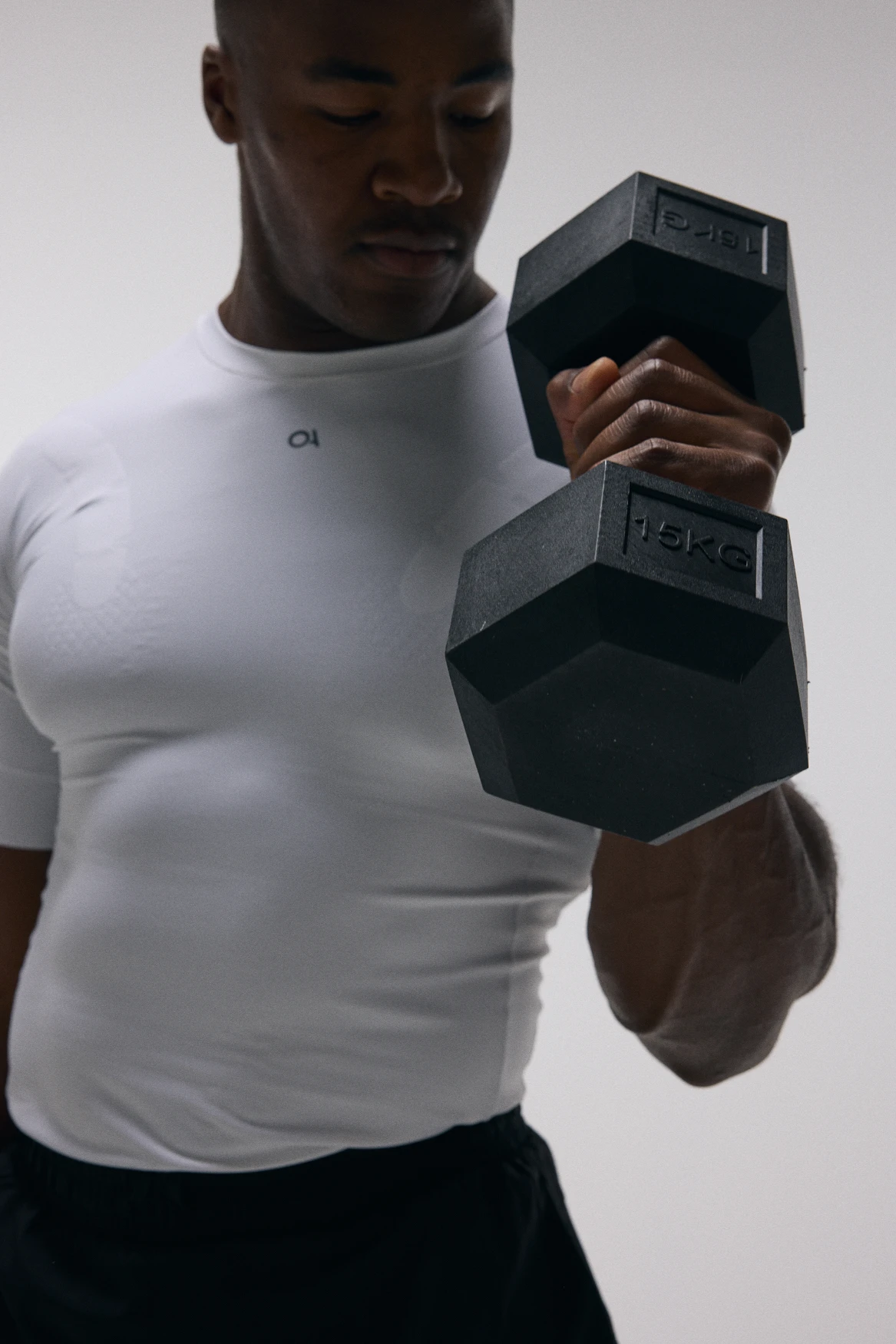
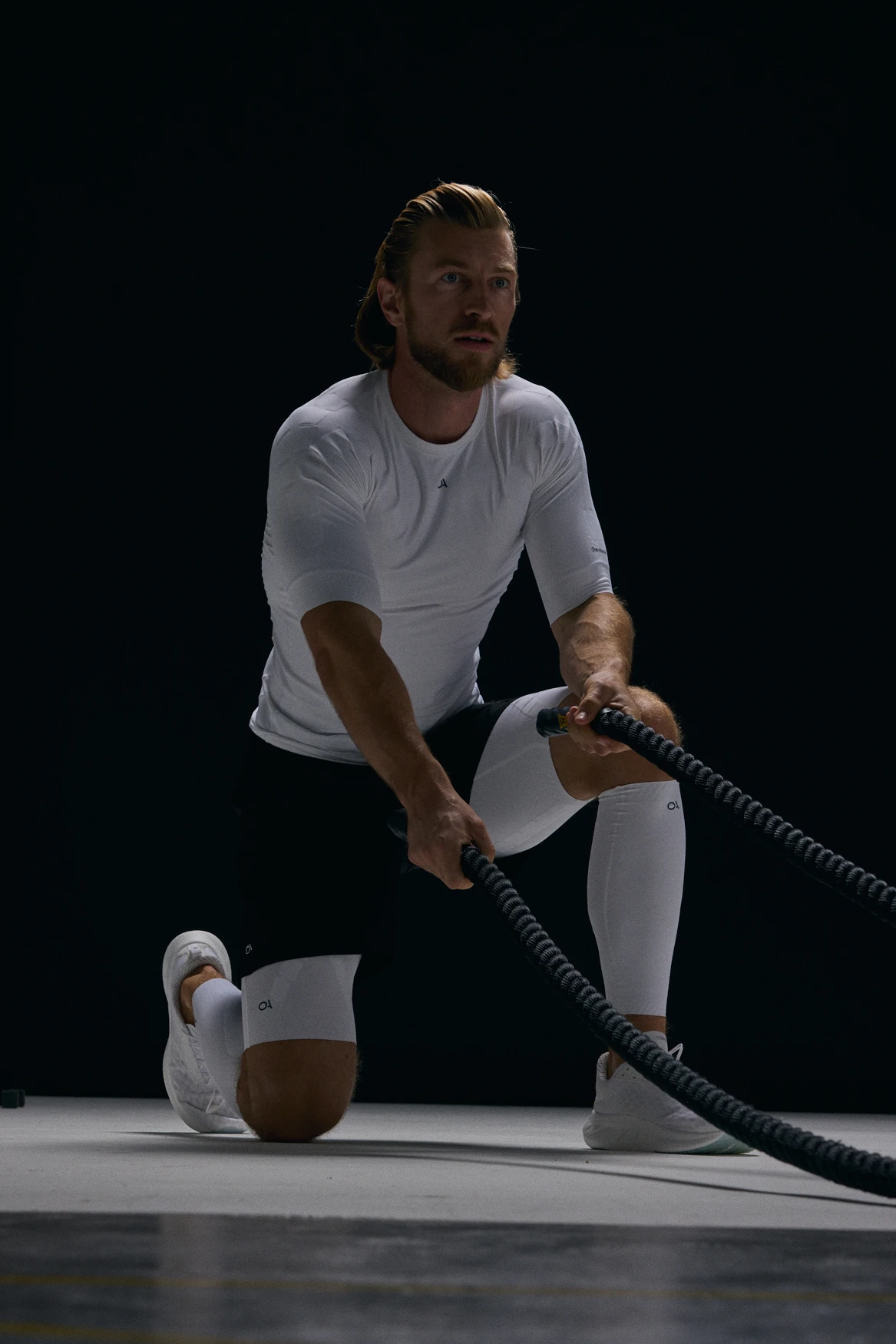
Why Compression Gear Matters for Injury Prevention
Before diving into specific pieces, it’s worth understanding why compression gear helps reduce injuries in the first place. Modern compression wear is engineered to apply graduated or targeted pressure to muscle groups. This pressure affects several physiological and biomechanical mechanisms that contribute to lower injury risk.
1. Reduced Muscle Oscillation
During movement, especially running, jumping, and heavy lifting, muscles experience small but continuous vibrations. Known as muscle oscillation, this phenomenon increases tissue fatigue and can contribute to microtrauma.
Compression gear acts as an external stabilizer, reducing oscillation and helping muscles maintain structural alignment. Studies show that athletes may experience less perceived fatigue and lower markers of muscle damage when wearing well-fitted compression garments.
2. Improved Proprioception
Proprioception is your body’s ability to sense movement and alignment. Compression wear increases sensory feedback through gentle pressure on the skin, helping you maintain better joint positioning during complex exercises.
This is especially important for:
Squatting
Jump landings
Deadlifting
Agility work
Overhead pressing
Better proprioception = fewer technique breakdowns = fewer injuries.
3. Temperature Consistency
Warm muscles perform better and are less prone to strains. Compression materials retain heat without restricting airflow, keeping muscle groups warm throughout your session.
A consistent temperature reduces the likelihood of:
Sudden pulls
Cramping
Loss of elasticity during high-intensity intervals
4. Enhanced Circulation and Recovery
Although compression isn’t a miracle cure, research shows it can help improve venous return and reduce post-exercise swelling. Faster circulation means quicker delivery of oxygen and nutrients to muscles, potentially reducing soreness and supporting better recovery.
This makes compression wear a valuable tool both during and after workouts.

How to Choose the Right Compression Gear for Your Training Style
Not all compression wear is appropriate for all athletes. Here’s a breakdown to help you match gear to your needs.
If You Lift Heavy (Strength & Hypertrophy)
Prioritize:
Benefits: Improved alignment, reduced vibration under load, better warm-up, reduced risk of pulls.
If You Run, Sprint, or Do HIIT
Prioritize:
Benefits: Shin stability, better endurance, less calf fatigue, sustained mobility.
If You Train CrossFit or Functional Fitness
Prioritize:
Benefits: Support for dynamic movement, better proprioception, stable overhead mechanics.
If You Do Plyometrics or Jump Training
Prioritize:
Benefits: Lower-leg stability, reduced tibial stress, controlled landing mechanics.
If You Want Overall Muscle Recovery Support
Prioritize:
Benefits: Circulation boost, reduced swelling, consistent temperature.
The Best Compression Gear for Preventing Injuries at the Gym
Below is a simplified breakdown of each type of compression gear—what it supports, how it works, and why it may help reduce strain during training.
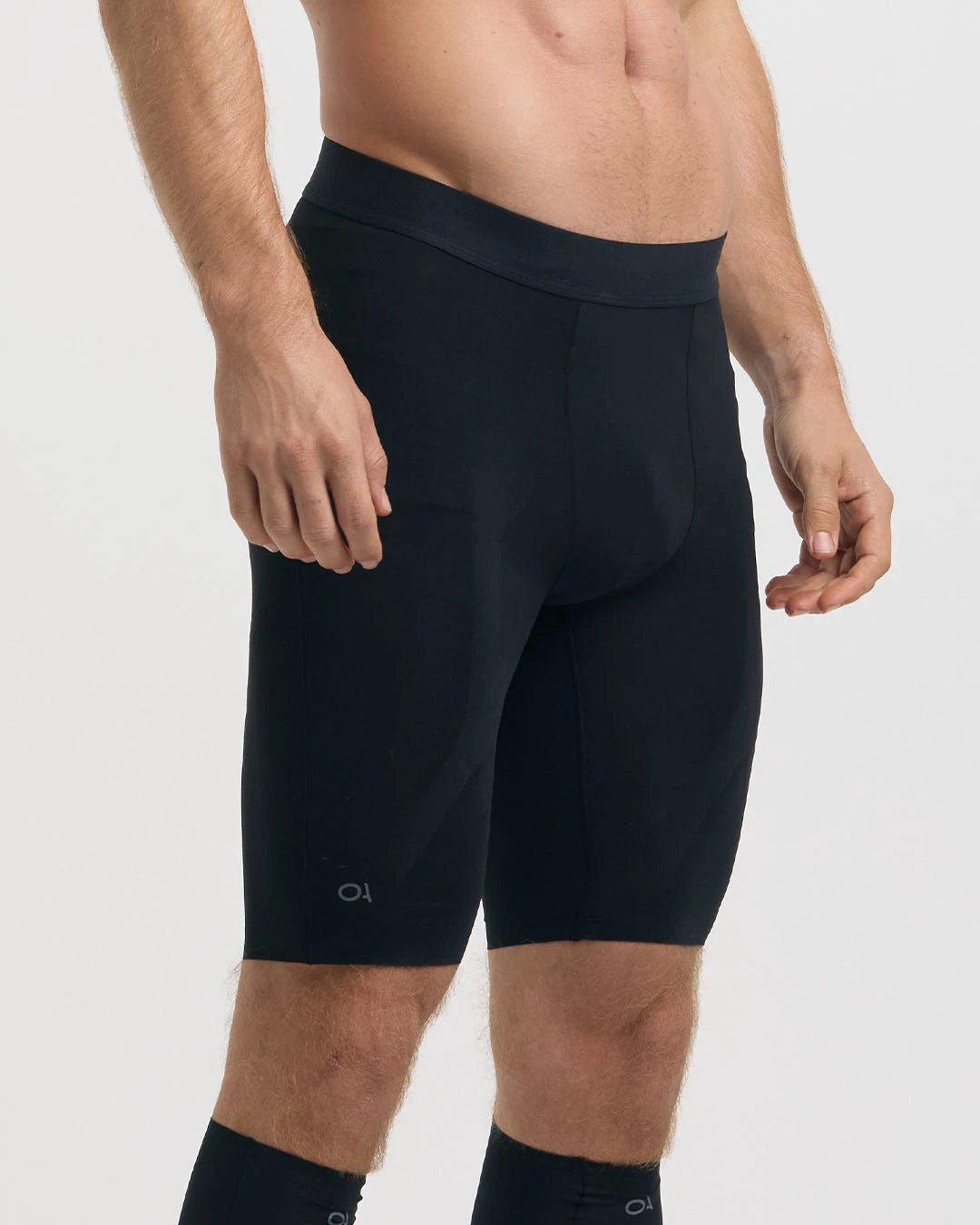
1. Compression Shorts - Targeted Support for Quads, Hamstrings & Hips
Why They Matter Compression shorts support major lower-body muscle groups that work together during squats, lunges, sprints, and agility drills. These areas are also common sites for pulls and tightness.
How They Reduce Injury Risk • Hamstring strain protection: Compression can stabilize muscle fibers during sprinting or deadlifts and improve flexibility through warmth. • Hip alignment: Pressure around the hips and pelvis helps maintain better form during squats and lunges. • Lower fatigue: Reduced muscle oscillation supports more consistent technique during high-rep work. • Better proprioception: Lifters often feel more connected to their hip and thigh movement patterns.
Ideal For Athletes Who:
Lift heavy or train explosively
Do sprint or agility work
Experience hamstring or hip tightness
Prefer minimal, lightweight lower-body gear
Compression shorts offer a reliable, simple form of foundational support during lower-body training.
2. Compression Tights - Full-Leg Coverage & Lower-Body Protection
Compression tights extend support from hip to ankle, providing the most complete stability of any lower-body compression garment. They are especially useful for cardio-based training and impact-heavy routines.
How They Prevent Injuries • Shin splint reduction: Consistent pressure reduces tibial vibration and helps stabilize the lower leg. • Calf support: Helpful during running, jumping, and incline work by keeping the calves warm and reducing strain. • Hamstring protection: Full-length warmth helps prevent sudden hamstring pulls during explosive movements. • Lower swelling & fatigue: Graduated compression can support blood flow during long sessions or intense circuits.
Ideal For Athletes Who:
Get shin splints often
Run, sprint, or do HIIT
Perform plyometrics or explosive leg training
Need full-leg support for longer sessions
Compression tights are one of the strongest options for lower-body injury prevention, especially for athletes training frequently on their feet.
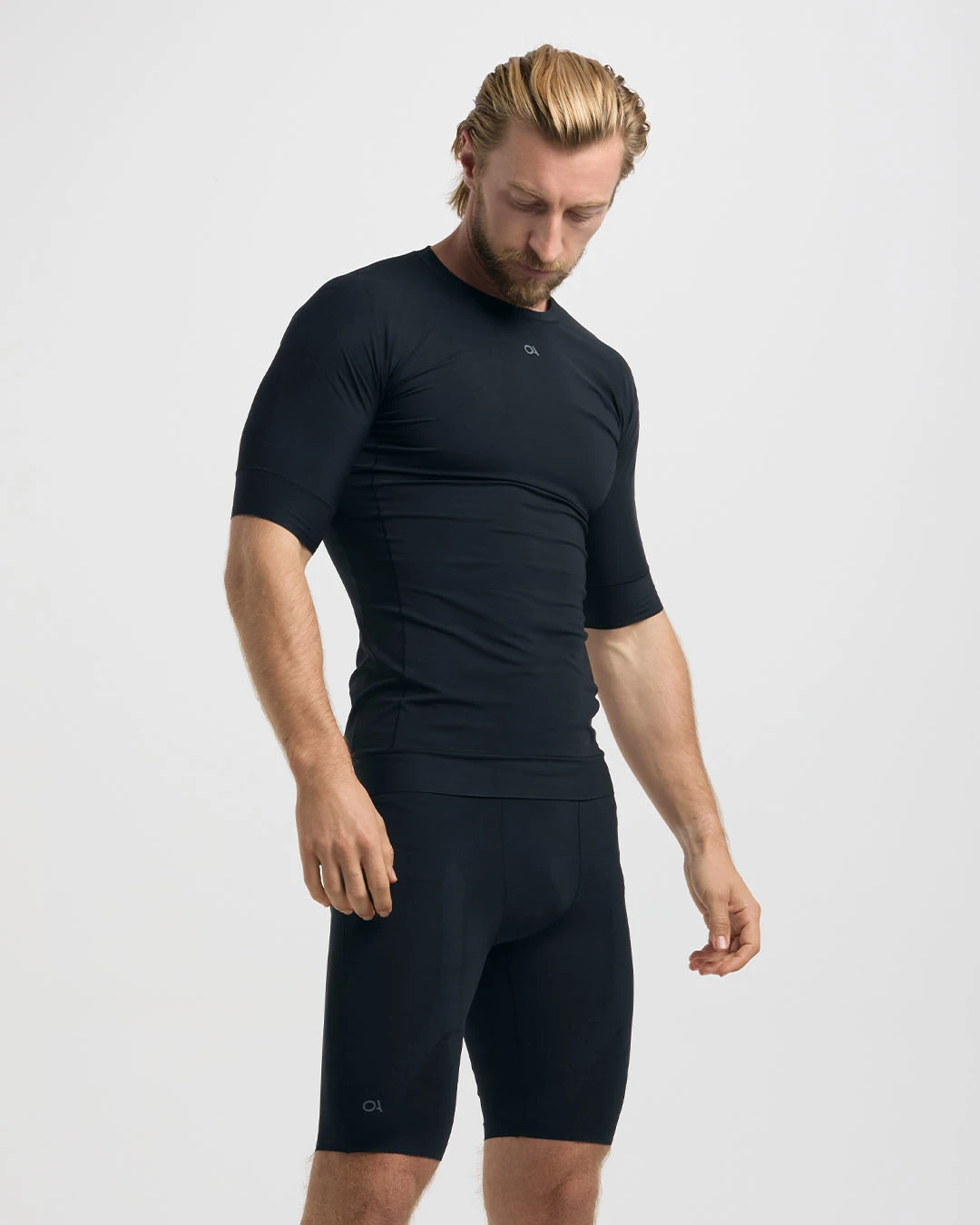
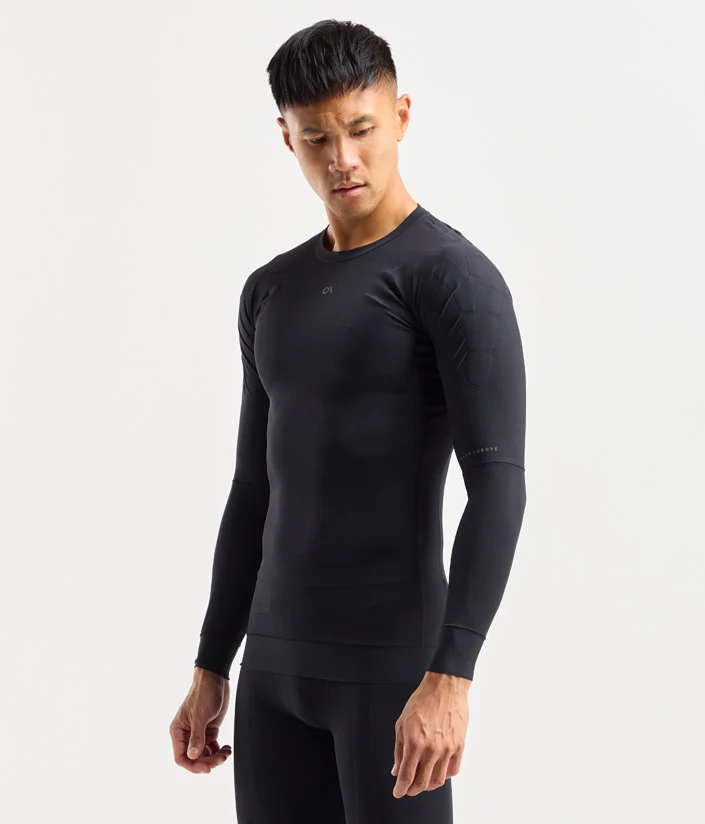
3. Compression Tops - Stability for Shoulders, Chest & Upper Back
Upper-body discomfort often comes from unstable shoulder mechanics, fatigued upper-back muscles, or inconsistent posture. Compression tops address these issues with lightweight, structured support across the arms, chest, and shoulders.
How They Reduce Injury Risk • Better shoulder positioning: Compression increases feedback around the delt and scapular region, supporting proper form during presses and overhead work. • Warmth for fatigue-prone muscles: Small stabilizers like the rotator cuff benefit from sustained temperature and light pressure. • Reduced oscillation: Helpful during high-intensity circuits or fast upper-body work. • Improved circulation: May support recovery by aiding venous return after workouts.
Ideal For Athletes Who:
Perform overhead lifting or CrossFit
Experience upper-back or shoulder tightness
Train in cooler environments
Want improved form during high-volume upper-body sessions
Compression tops help keep the upper body aligned and stable during both strength and conditioning workouts.
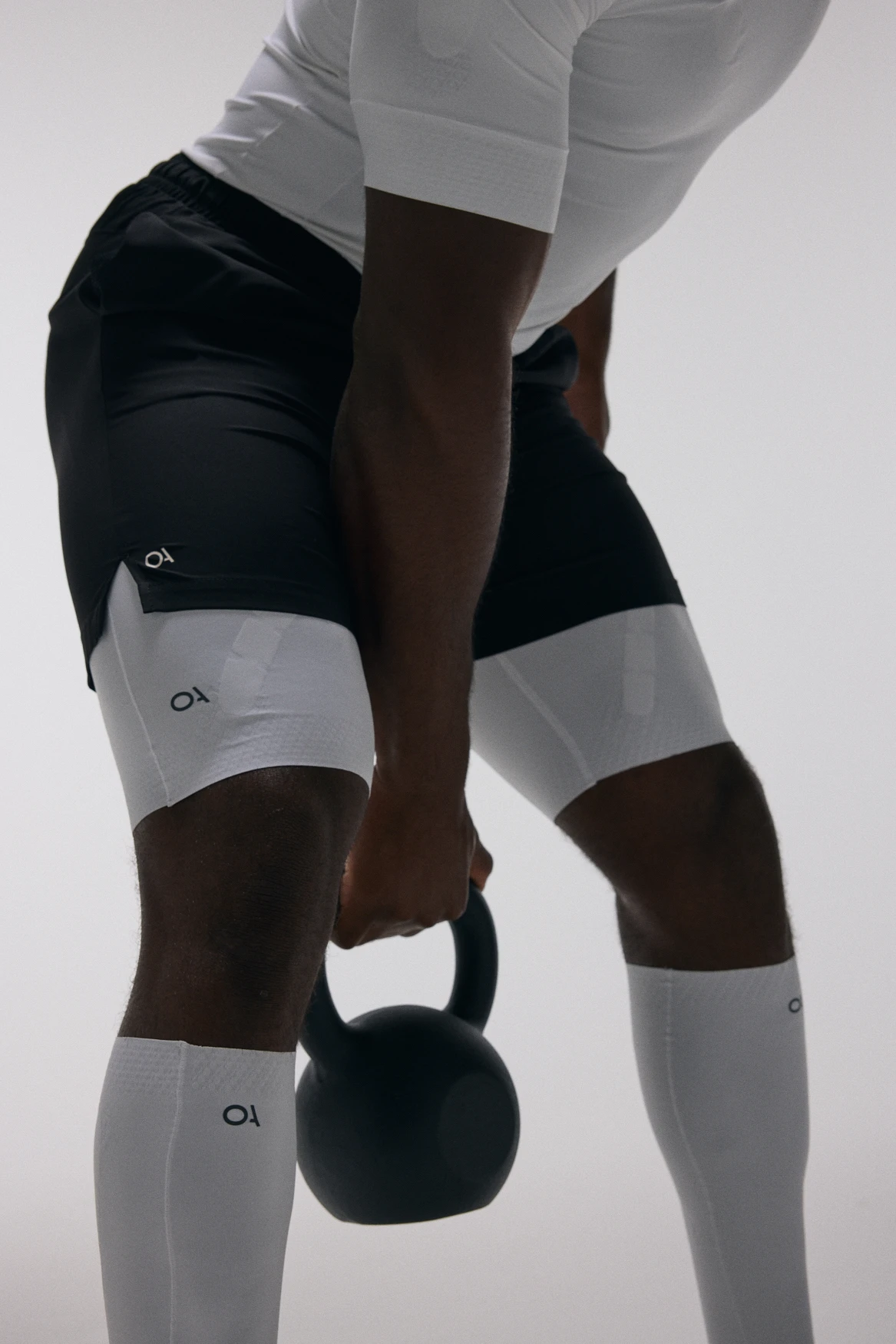
Calf Sleeves + Arm/Racquet Sleeves)
4. Calf Sleeves - Targeted Lower-Leg Support Without Full Tights
Calf sleeves offer focused support to the lower leg, covering the gastrocnemius and soleus—muscles that fatigue quickly during explosive training. They provide a compact alternative to full-length tights.
How Calf Sleeves Help Prevent Injuries • Protection against calf strains: Compression reduces oscillation and helps maintain muscle elasticity during sprints or jumps. • Shin splint support: Stabilizing the lower leg can reduce tibial stress and impact forces tied to shin splints. • Warmth for cramp-prone calves: Controlled temperature decreases the risk of sudden cramps or tightness. • Recovery assistance: Many athletes wear calf sleeves post-training to reduce swelling and support circulation.
Ideal For Athletes Who:
Want targeted support without wearing full leggings
Run, jump, skip rope, or train plyometrics
Experience tight calves or lower-leg fatigue
Need compact shin-splint support
Calf sleeves are versatile and easy to pair with any training style or outfit—ideal for hybrid athletes.
5. Arm & Racquet Sleeves - Stabilizing the Forearm, Elbow & Upper Arm
Although widely used in racquet sports, arm sleeves are also valuable for strength training, functional fitness, and any workout with repetitive gripping or arm-dominant movements.
How Arm Sleeves Support Injury Prevention • Forearm stability: Supports grip-heavy tasks—deadlifts, pull-ups, kettlebell swings, cable work—by reducing fatigue and vibration. • Improved elbow alignment: Compression enhances proprioception around the elbow joint, which helps maintain clean mechanics under load. • Reduced upper-arm vibration: Useful during fast, repetitive motions like battle ropes or high-speed swings. • Helpful for tendon stress: Can support comfort during repetitive strain or forearm tightness (not a medical treatment).
Ideal For Athletes Who:
Do high-volume pulling and accessory work
Experience forearm pump or elbow discomfort
Use racquets, bars, cables, or kettlebells often
Want lightweight upper-arm stabilization
Arm sleeves are a simple, effective way to add upper-body support without restricting movement.

The Science: What Research Says About Compression Wear
While compression gear is not a miracle solution, studies consistently show meaningful benefits that relate to injury prevention:
1. Reduced Muscle Damage
Research indicates decreased creatine kinase (CK) levels when athletes wear compression garments during or after training—suggesting less muscle damage.
2. Better Jump and Sprint Mechanics
Studies show improvements in jump landing stability, which can reduce risks tied to poor biomechanics.
3. Lower Perceived Fatigue
Athletes in controlled trials often report lower fatigue when wearing compression garments, especially during longer sessions.
4. Improved Venous Return
Compression enhances blood flow back toward the heart, aiding metabolic waste removal.
These advantages, while subtle, compound over time, helping reduce cumulative strain.
Compression wear isn’t just a trend. When used strategically, it becomes a reliable tool for reducing the risk of strains, supporting key muscle groups, stabilizing joints, improving proprioception, and enhancing recovery. Whether you’re lifting heavy, running fast, or tackling intense conditioning sessions, there’s a compression piece that can help keep your body moving safely and efficiently.
Shop Compression Gear
More articles...
 5 Signs You Need Compression Clothing in Your Gym RoutineScience
5 Signs You Need Compression Clothing in Your Gym Routine
19.12.2025
 Compression vs. Regular Activewear: What’s Better for Recovery?Science
Compression vs. Regular Activewear: What’s Better for Recovery?
12.12.2025
 The Complete Guide to Compression Sportswear for Everyday TrainingScience
The Complete Guide to Compression Sportswear for Everyday Training
05.12.2025
